|
|
 |
|
 |
|
 |
Panopticon:
An Art Spectacular
Oct. 5, 2002 Aug. 17, 2003
Forum: Mel Bochner
Photographs, 1966-1969
Oct. 12, 2002 Jan. 12, 2003
Out of the Ordinary: The Architecture and Design
of Robert Venturi, Denise Scott Brown and Associates Nov. 8, 2002 - Feb. 2, 2003
Neapolitan Presepio
Nov. 29, 2002 Jan. 5, 2003
It's Not Just Mud! Centuries of Ceramics
Dec. 14, 2002 Summer 2003
|
| |
Current
Exhibitons
Archived
Exhibitions
Upcoming
Exhibitions
|
|
 |
October 5, 2002August 17, 2003
Heinz Galleries
A panopticon is a space in which a viewer can "see it all"
simply by turning around. This exhibition, conceived in a traditional
19th-century design, presents approximately 500 works of art from
the museum's collections, including paintings, sculpture, decorative
arts, and works on paper.
From the 16th through the 19th century, most European and American
art galleries were packed floor-to-ceiling and wall-to-wall with paintings,
sculpture, and virtuoso furniture. Galleries displayed the power and
wealth of the owner, served as a visual encyclopedia of art, and stimulated
the imaginations and intellects of artists and spectators alike. Panopticon,
a survey of Pittsburgh's art treasures, extends this tradition into
the 21st century.
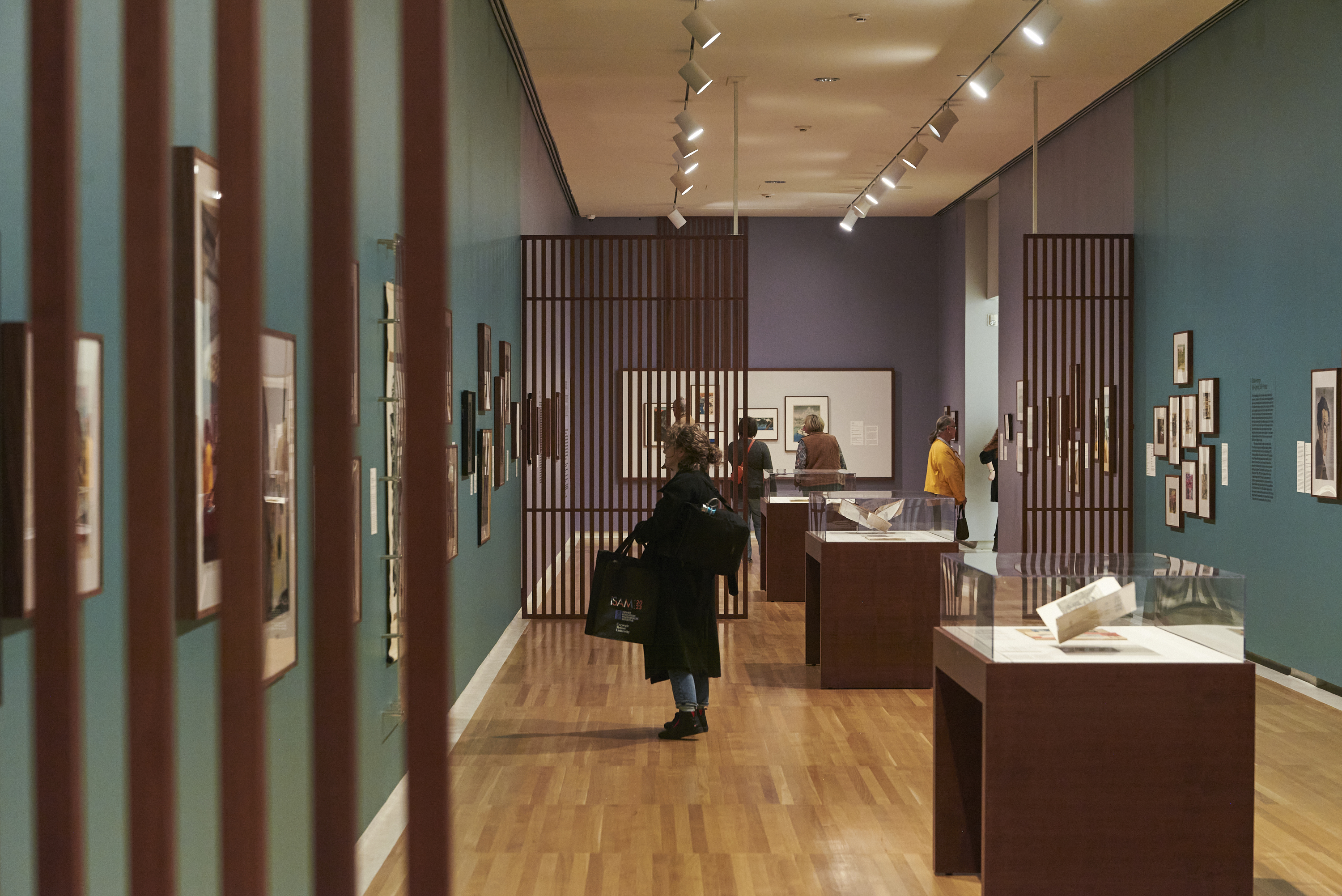
Panopticon showcases a large portion of the museum's permanent
collection at a time when several galleries are undergoing renovations.
The objects on view have been reorganized--paintings are arranged
by time and place of origin, chairs by type, and sculpture by theme.
This approach invites us to reconsider the museum's collecting history
and policies.
Unconventional by 21st century standards, Panopticon's design
invites new visual and intellectual experiences of art. Audio tours,
activity rails, and a booklet are provided to encourage different
ways of looking at art.
Major support for this exhibition has been provided by The Henry L.
Hillman Foundation and The Women's Committee of Carnegie Museum of
Art. Additional support has been provided by the R. K. Mellon Family
Foundation. General support for the museum's exhibition program is
provided by The Heinz Endowments and the Pennsylvania Council on the
Arts.
Major support for this exhibition has been provided
by The Pittsburgh Foundation, The Henry L. Hillman Foundation, and
The Women's Committee of Carnegie Museum of Art.
Additional support has been provided by the R. K.
Mellon Family Foundation.
General support for the museum's exhibition
program is provided by The Heinz Endowments and the Pennsylvania
Council on the Arts.
Top
|
|
|
|
 |
|
October 12, 2002 - January 12, 2003
Forum Gallery
Mel Bochner, a native of Pittsburgh and graduate of Carnegie Mellon University, is considered a pioneering figure in the Post-Minimal and Conceptual art movements. Best known for drawings and installations that explore the abstract concept of measurement, Bochner also experimented with the photographic medium. His early and rarely seen photographs from the 1960s explore the nature of a select group of objects in series, scale, and perspective. He also pushed beyond the conventional rectangular format of the photographic print, creating multi-panel and large-format pieces that produce visual effects.
This retrospective survey documents the importance of Bochner's photography in the formation of Conceptual art, a late 1960s development in artistic practice that privileges the idea behind the work of art over the physical object. Bochner was among several pioneering Conceptual artists engaged in the photographic medium. Its neutrality, limited scale, and potential for reproduction suited their interest in "dematerializing" or challenging the singular, "rarefied" nature of art objects. The exhibition was organized by the Harvard University Art Museums, Cambridge.
Top
|
|
|
 |
|
November 8, 2002 - February 2, 2003
The Heinz Architectural Center
The building must do and be many things at once;
tensions, ambiguities, and contrasts are results which make architecture;
a work of architecture has subplots as well as a plot.
--Robert Venturi
Robert Venturi and Denise Scott Brown are partners
in one of the most influential architectural design and planning firms
of the last half-century. Outspoken critics of austere mid-20th-century
design, they have infused modernism with a new energy and vitality inspired
by Pop Art, popular culture, vernacular architecture, and historical styles.
With bold and unorthodox combinations of geometry, color and pattern,
they have created an architecture out of the ordinary.
Known equally for their buildings and their thoughtfully considered, ethically
informed proposals for urban design, they have urged architects to respect
the real conditions of people's lives and respond creatively in readily
understood stylistic terms. Their playfulness, iconoclasm, and use of
historical references, have prompted critics to herald Venturi and Scott
Brown as the "founders of Postmodernism." Firmly rejecting this
title, Venturi asserts, "There are two ways to be creative: to invent
new forms, and to use old forms in new ways. We have chosen to emphasize
the latter approach in our design."
Out of the Ordinary, organized by the Philadelphia Museum of Art,
is the first retrospective of the firm's work in architecture, urban planning,
and the decorative arts. Comprising more than 150 drawings, models, photographs,
and decorative arts objects, the exhibition surveys their extraordinary
careers, from Venturi's earliest commissions in 1958 to more recent major
projects, such as the Irving and Betty Abrams house in Pittburgh (1979-81),
The Seattle Art Museum (1984-91), the Sainsbury Wing of The National Gallery
in London (1985-91), and the Hotel Mielmonte Nikko Kirifuri, Nikko, Japan
(1992-97).
Top
|
|
|
 |
|
November 29, 2002 January 5, 2003
Hall of Architecture
A visit to Carnegie Museum of Art's Neapolitan Presepio, a large-scale, elaborate Nativity, has been a Pittsburgh holiday tradition since 1957. Handmade between 1700 and 1830, the Presepio is filled with lifelike figures and colorful details that recreate the Nativity in a vibrant and detailed setting depicting 18th-century Italian village life. More than 100 superbly modeled human figures and angels, along with animals, accessories, and architectural elements, are on view in the Hall of Architecture with the annual display of holiday trees, decorated by the Women's Committee.
Top
|
|
|
 |
|
December 14, 2002 through Summer 2003
Treasure Room
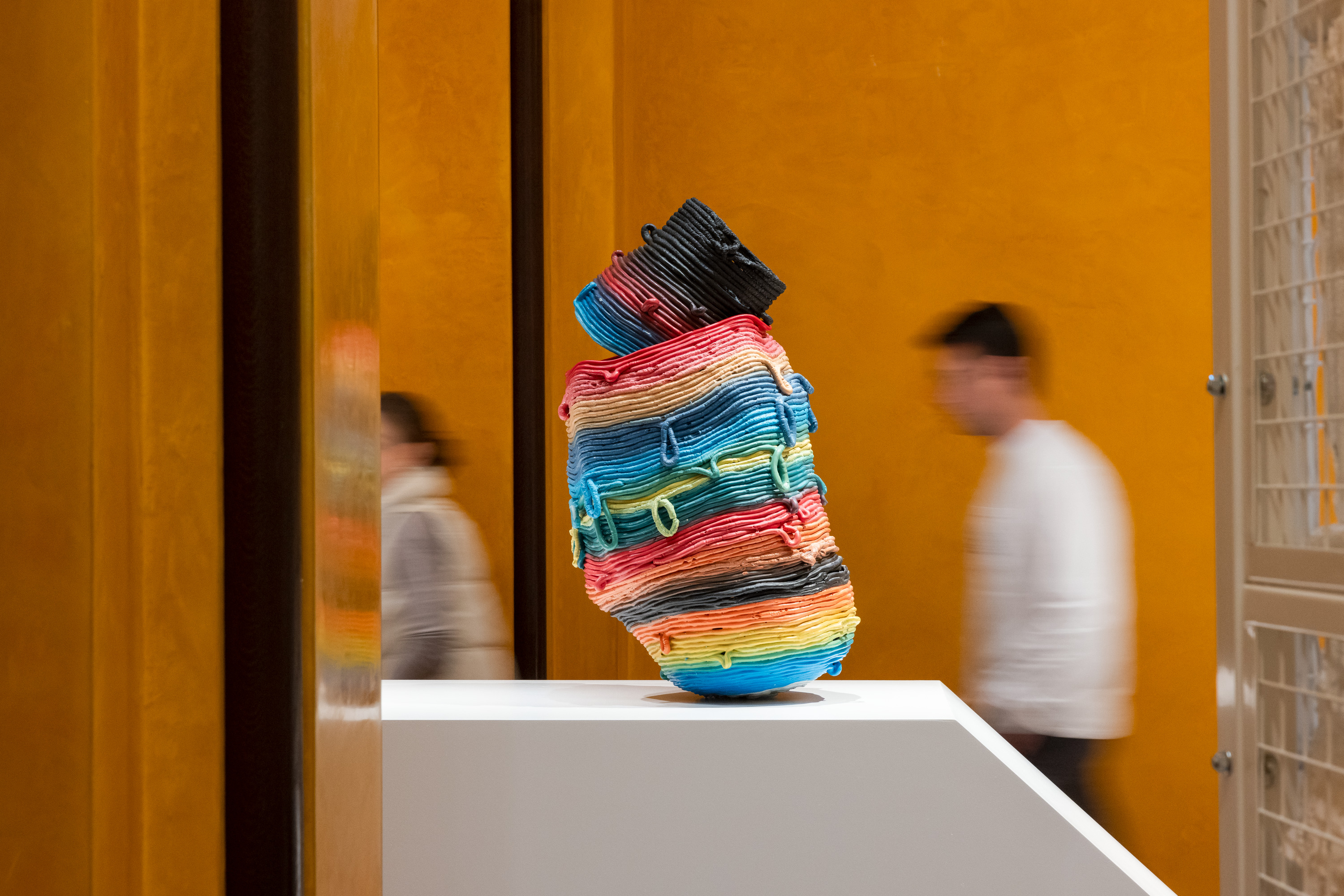
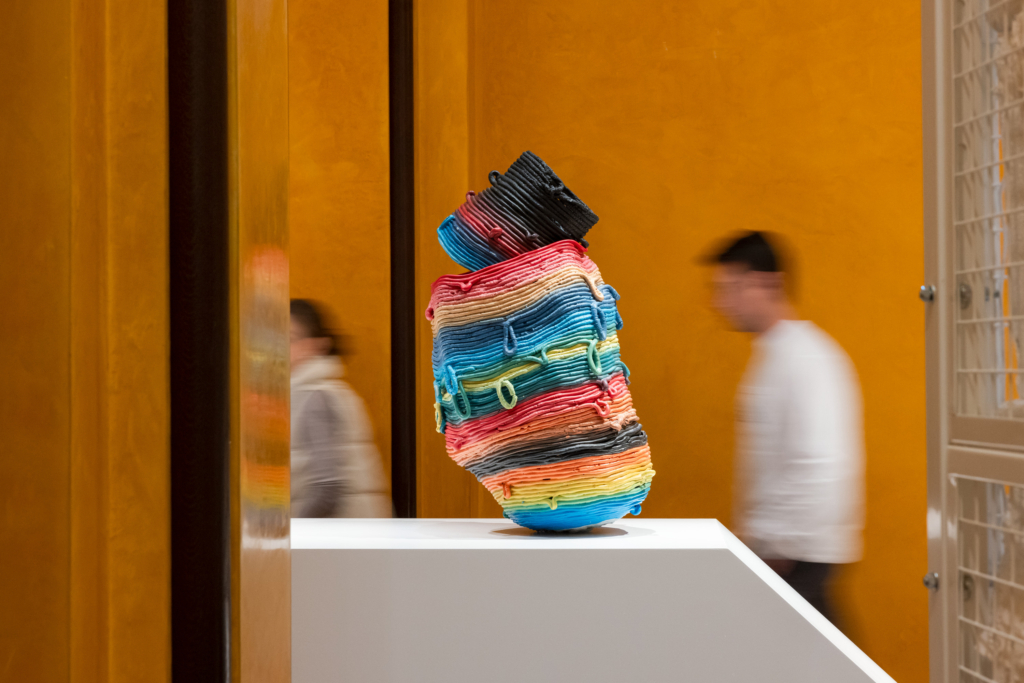
It's Not Just Mud! celebrates ceramic art objects in the museum's collection
and the craftsmen, modelers, and artists who created the varied vessels and
sculpture on view. The exhibition includes stoneware, earthenware, and
porcelain objects from ancient Greek vases to contemporary works of art.
Basic ceramic techniques have remained unchanged for thousands of years, but
this historical survey reveals the breadth of artistic expression that has
been achieved in the ceramic medium.
Top
|
|
|
Go to Archived Exhibitions
|