CalendarArt Collection Search
Info Exhibitions Collections Programs & Classes Join Us store  
Current
Exhibitions
Upcoming
Exhibitions
Past
Exhibitions
Carnegie
International
 

Gritty Brits: New London Architecture
Jan. 20–June 3, 2007

Modern Japanese Prints: 1868–1989
Feb. 17–April 15, 2007

Mezzotints in 18th–century Life
March 3–June 10, 2007

Forum 59: Phil Collins
March 31–July 8, 2007

The Art Connection Annual Student Exhibition
April 14–29, 2007


In recent years a new generation of architects has emerged in London. This generation is intimately engaged with England's contemporary urban condition, colonizing previously overlooked sites and designing new structures that fit into the existing building stock in often surprising ways. In particular, these "Gritty Brits" operate in and around London's East End, a context that is post-industrial and multicultural, home to both recent economic immigrants and today's successful Young British Artists.

Gritty Brits presents recent work by six architectural practices: Adjaye/Associates, Caruso St. John Architects, FAT [Fashion Architecture Taste], Níall McLaughlin Architects, muf, and Sergison Bates architects. All born in the 1960s, these architects are conscious of the legacy of architects and artists of earlier generations. Running through their work are echoes of English architectural culture of the 1950s and early 1960s, a period in which High Modernist beliefs in functionalism and rationality were being reappraised in the aftermath of World War II, in which issues of construction were valued together with a sense of what is now called Pop culture.

They approach architecture not from an abstract theoretical position but in a more empirical manner that allows them to make use of whatever seems most appropriate in a given situation. As they respond to an eclectic society where alternative lifestyles co-exist alongside myriad ethnic groups, they are creating new programmatic types and using materials and ornament in inventive ways.

Through models, photographs, drawings, film, and DVDs, the exhibition will transmit some flavor of London today, a city that benefits from the grain of time and history while also undergoing tremendous economic and social change. The exhibition is accompanied by a catalogue designed by Graphic Thought Facility (GTF), London.

The programs of the Heinz Architectural Center are made possible by the generosity of the Drue Heinz Trust. General support for museum programs is provided by the Pennsylvania Council on the Arts and The Heinz Endowments.

Top

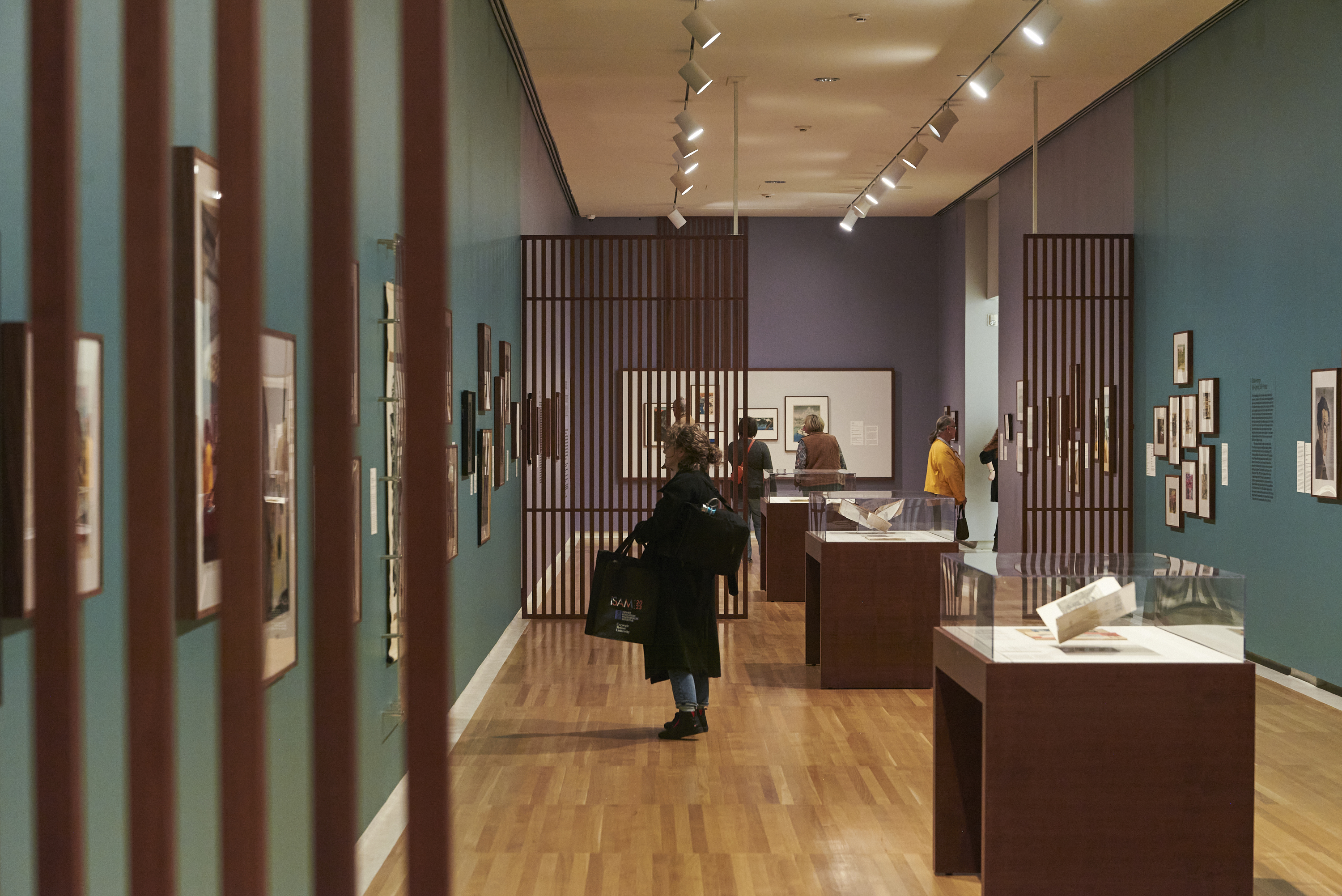
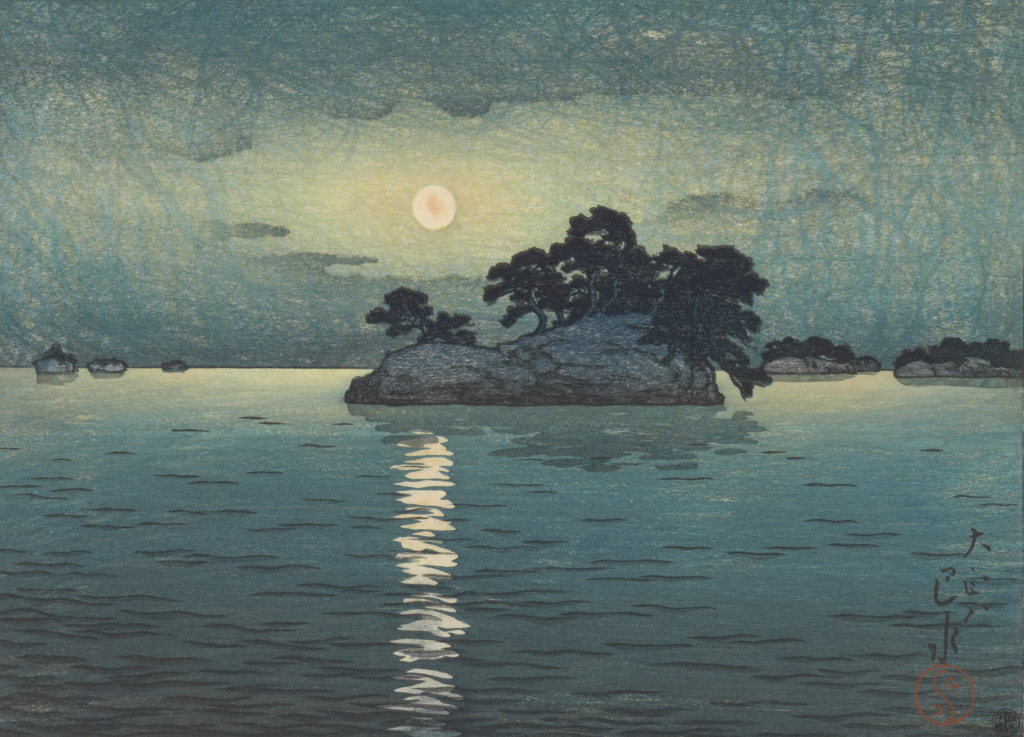
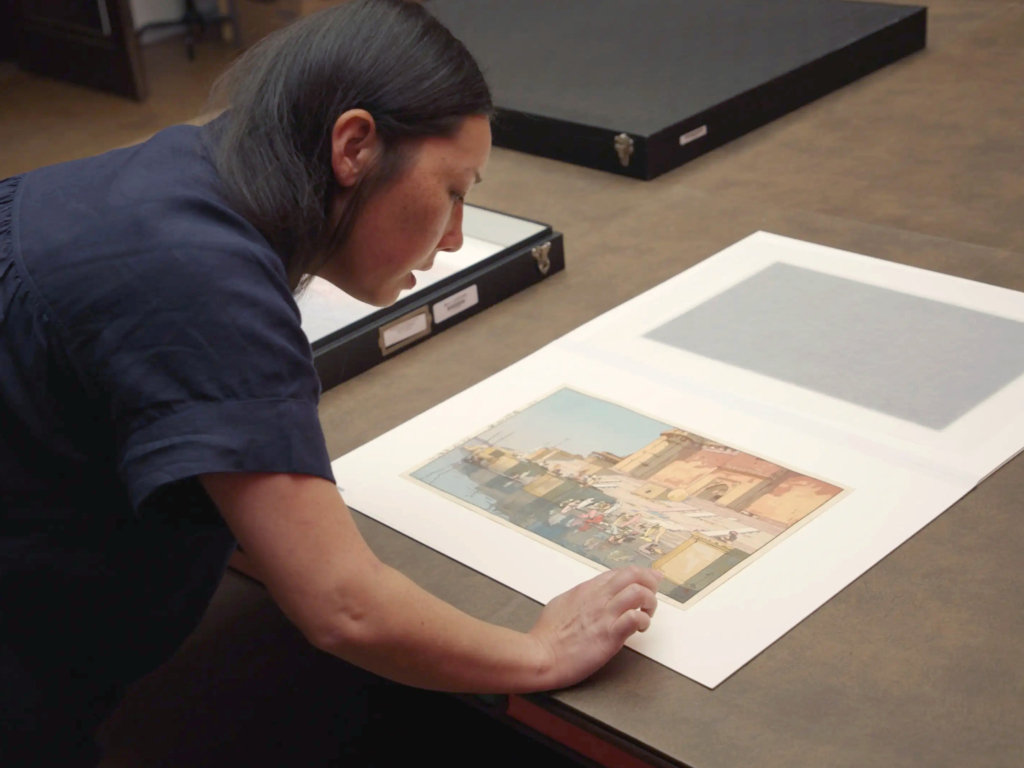
Modern Japanese Prints: 1868–1989 presents a fascinating survey of woodblock printmaking during a period of dramatic changes in Japanese life and culture. This exhibition highlights master prints from the late 19th-century Meiji period through the developments in printmaking that occurred in the 20th-century with the new print (shin-hanga) and creative print (sōsaku-hanga) movements. The exhibition further explores the evolving role of the artist within this rich tradition, and the eclectic, sometimes idiosyncratic, but always passionate interests of print collectors. More than 200 prints from the James B. Austin collection at Carnegie Museum of Art and four private Pittsburgh collections will be on view.

The prints in this exhibition are drawn from the museum’s collection of Japanese prints, the majority of which were donated by Dr. James B. Austin in 1989, and from the Pittsburgh collections of Dr. Esther Barazzone, Nicholas Reise, Lila Penchansky and Daniel Russell, and an anonymous lender.

Modern Japanese Prints, 1868–1989 is made possible by the generous support of the E. Rhodes and Leona B. Carpenter Foundation. Additional support has been provided by The Fellows of Carnegie Museum of Art.

General support for the exhibition program at Carnegie Museum of Art is provided by grants from the Heinz Endowments and the Pennsylvania Council on the Arts.

No photography. No telephones. No camera phones. No TV. No videos, movies, Internet, blogs. No Vogue magazine, Martha Stewart, or Ikea. So what did your average 18th-century man or woman buy in order to keep up with the latest fashions, scandals, culture clashes, and intellectual fads? Mezzotints.

A mezzotint is an engraving made without lines. The mezzotint engraver, or more likely his unfortunate apprentice, “rocked” a tool covered with tiny teeth across the surface of a copper plate until it was densely covered with track marks. The surface indentations and burr could hold ink and produced a velvety dark tone when printed. The mezzotinter then rubbed with another tool, a burnisher, to smooth areas that would appear lighter in the print. The result is a dramatic, soft-edged image that might resemble a highly finished drawing in charcoal or brush and ink.
The delicate surface of the plate meant that it wore down quickly during printing, so early impressions of the image, the richest and most detailed, became instant collectors’ items. Lithography, invented in the early 19th century, rapidly supplanted the mezzotint because it produced similar visual effects more simply and in great numbers.

The heyday of the mezzotint occurred in the Netherlands and Great Britain between 1670 and 1820, but it is becoming fashionable again today, especially in Japan. This exhibition of more than 60 mezzotints from a local collection explores the role this form of printmaking played in gossip, commerce, decoration, and print connoisseurship.

General support for the exhibition program at Carnegie Museum of Art is provided by grants from the Heinz Endowments and the Pennsylvania Council on the Arts.

Top

In Forum 59: Phil Collins, Carnegie Museum of Art will present the British-born artist’s ongoing video project the world won’t listen, in which he invites fans of the 1980s band The Smiths to perform karaoke versions of tracks from their classic album of the same name in front of his video camera.

Soliciting participants for the project in major international cities, such as Istanbul and Bogotá, Columbia, Collins invites “the shy, the dissatisfied, narcissists, and anyone who’s ever wished they could be someone else for a night” to come and perform the decidedly melancholic and angst-ridden lyrics of this British band in front of generic, kitschy backdrops of nature scenes or faux-tropical islands. The resulting video installation offers us a series of heartbreaking portraits of its subjects that are at once intimate and voyeuristic, exceedingly sincere and tragi-comic. In the end, Collins wants us to identify with his subjects by invoking a cross-cultural community of people tied together by their love of The Smiths. In the interplay between our own narcissism as spectators and that of the American Idol dreams of the singers on the screen, the world won’t listen performs its magic.

General support for the exhibition program at Carnegie Museum of Art is provided by grants from the Heinz Endowments and the Pennsylvania Council on the Arts.


The exhibition of paintings, drawings, prints, sculpture, and mixed media showcases the work of students inspired by original works of art and objects in the collections of Carnegie Museum of Art.

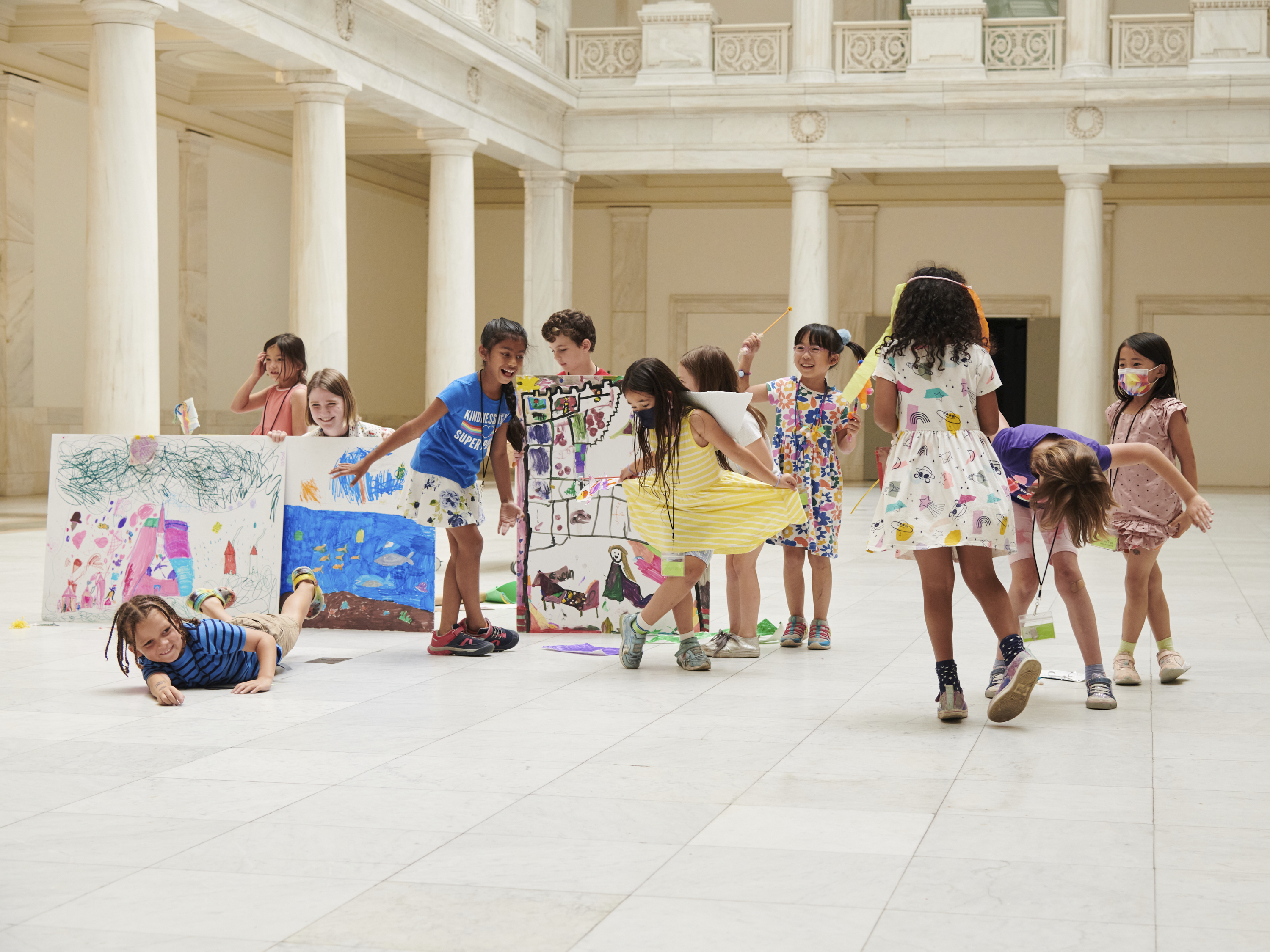
For 78 years, Saturday art classes at Carnegie Museum of Art have nurtured the talents of aspiring young artists. Formerly known as the Palettes and Tam O’Shanters, The Art Connection encourages students in the 5th through 9th grades to see and interpret the visual world with imagination and confidence as they explore artists and increasingly complex styles and techniques.

Top


Search Site Map Links Contact