|
|
 |
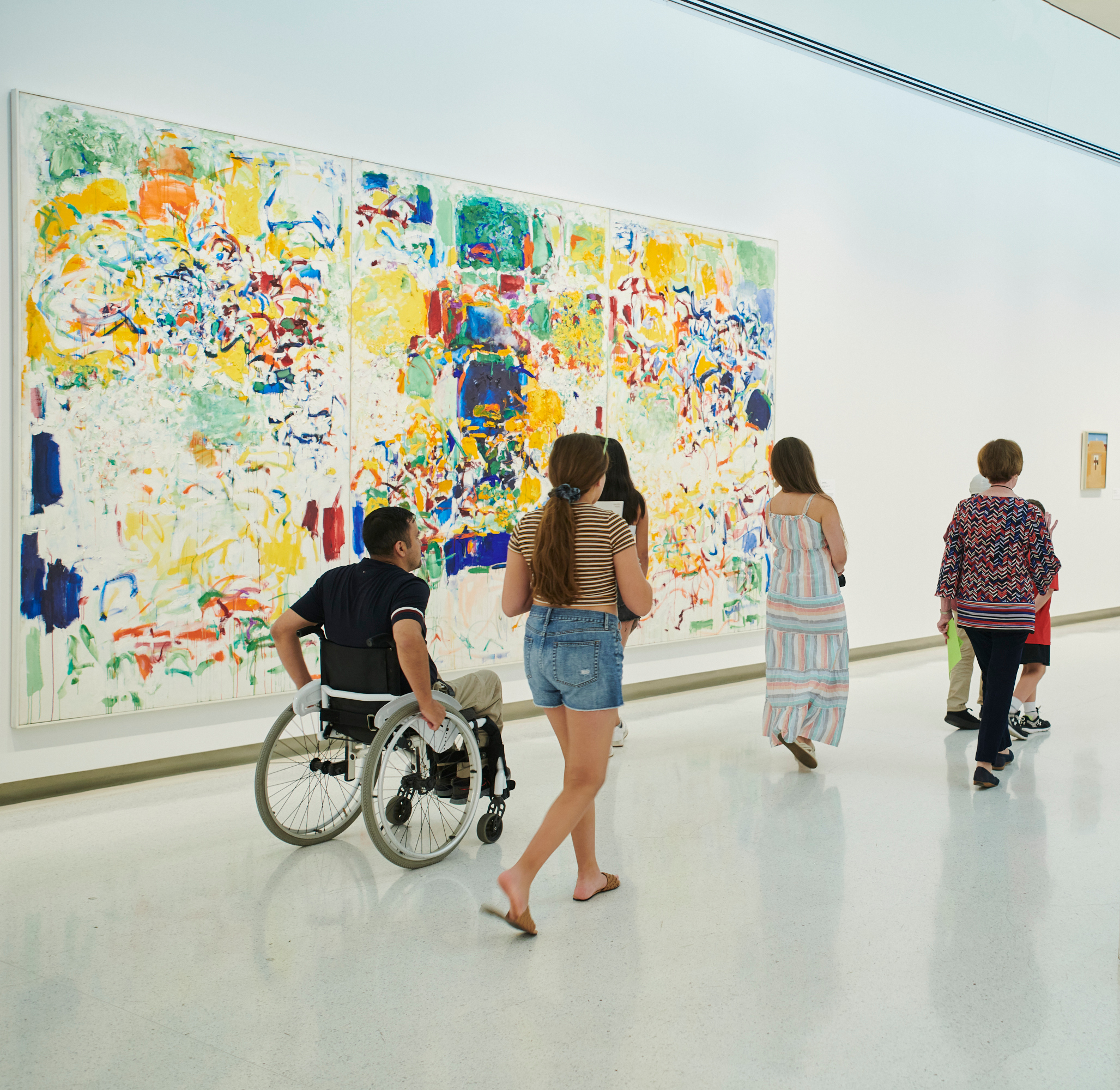
The Carnegie Museum of Art offers a distinguished
collection of contemporary art that includes film and video works.
Other collections of note include works of American art from
the late nineteenth century, French Impressionist and Post-Impressionist
paintings, and European and American decorative arts from the
late seventeenth century to the present. The
Heinz Architectural Center, opened as part of
the Museum in 1993, is dedicated to the collection, study, and
exhibition of architectural drawings and models. The
Hall of Architecture
contains the largest collection
of plaster casts of architectural masterpieces in America and
one of the three largest in the world. The marble
Hall of Sculpture
replicates the interior of
the Parthenon.
While most art museums founded at the turn of the century focused
on collections of old masters, Andrew Carnegie envisioned a museum
collection consisting of the "Old Masters of tomorrow." In
1896 he initiated a series of exhibitions of contemporary art
and proposed that the museum's paintings collection be formed
through purchases from this series. Carnegie, thereby, founded
what is arguably the first museum of modern art in the United
States. Early acquisitions of works by such artists as Winslow
Homer, James McNeill Whistler, and Camille Pissarro laid the
foundation for a collection that today is distinguished in American
art from the mid-nineteenth century to the present, in French
Impressionist and Post-Impressionist paintings, and in significant
late-twentieth-century works.
Over the century, the museum has amplified its scope of interest
to include European and American decorative arts from the late seventeenth
century to the present. Architect-designed objects figure prominently
among recent acquisitions and complement the Heinz Architectural
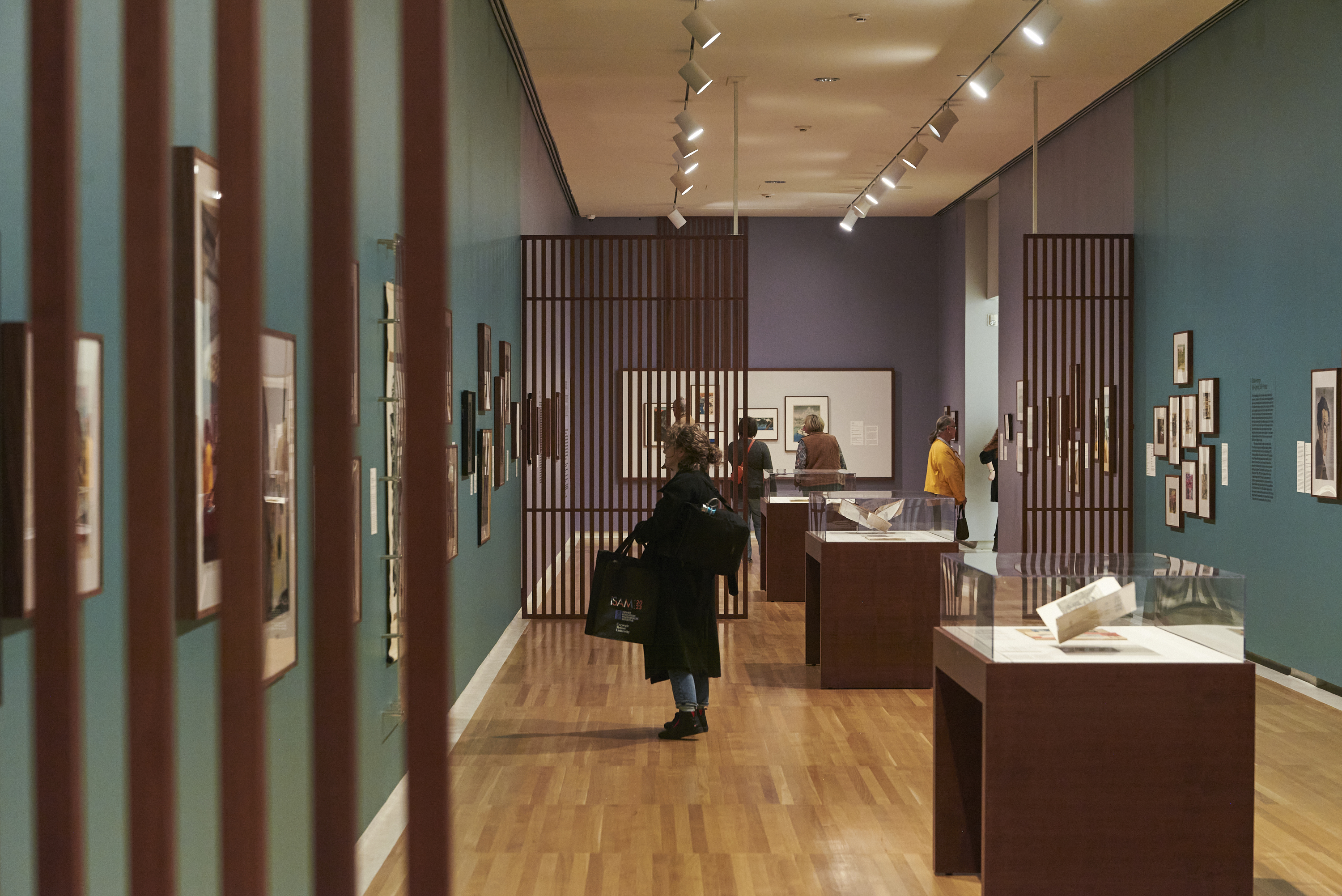
Center. In addition, the museum's collection includes Asian art (notably
Japanese prints) and African art.
In 1994 the museum completed a reinstallation of its pre-1945 American
and European fine and decorative arts that combines them in a single
chronological sequence. In 2003 the Scaife Galleries, home for many
of the paintings, sculptures, works on paper, and decorative arts
in the museum's collection, reopened after a yearlong renovation.
Improvements include the replacement of skylights, addition of new
climate control systems, and an infrastructure to support wireless
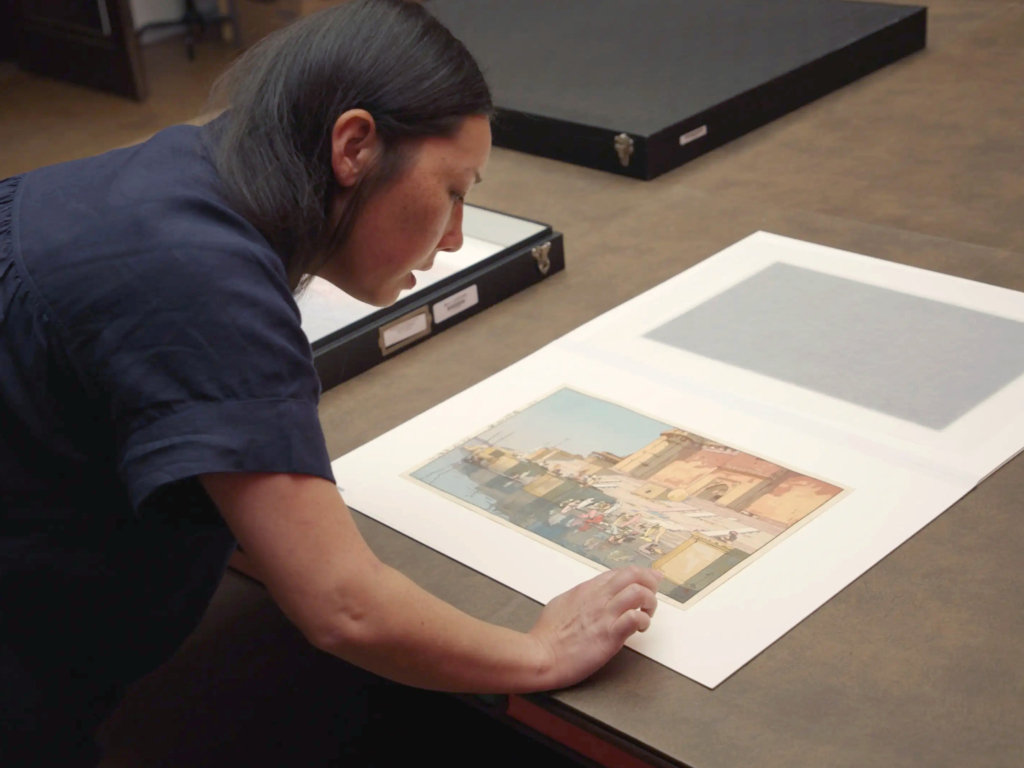
technology. There is now a larger works on paper gallery located at
the entrance to the galleries, and the contemporary art galleries
incorporate decorative arts and works on paper along with paintings,
sculpture, and film and video pieces. Some of the galleries now feature
floor-to-ceiling, salon-style installations of the artwork. Resource
areas and comfortable seating have also been integrated into the space,
along with educational enhancements.
|
|
|