-
Widening the Lens:
Photography, Ecology, and the Contemporary Landscape
Exhibition opens May 11
Podcast, hosted by Venus Williams, featuring renowned contributors, launches June 26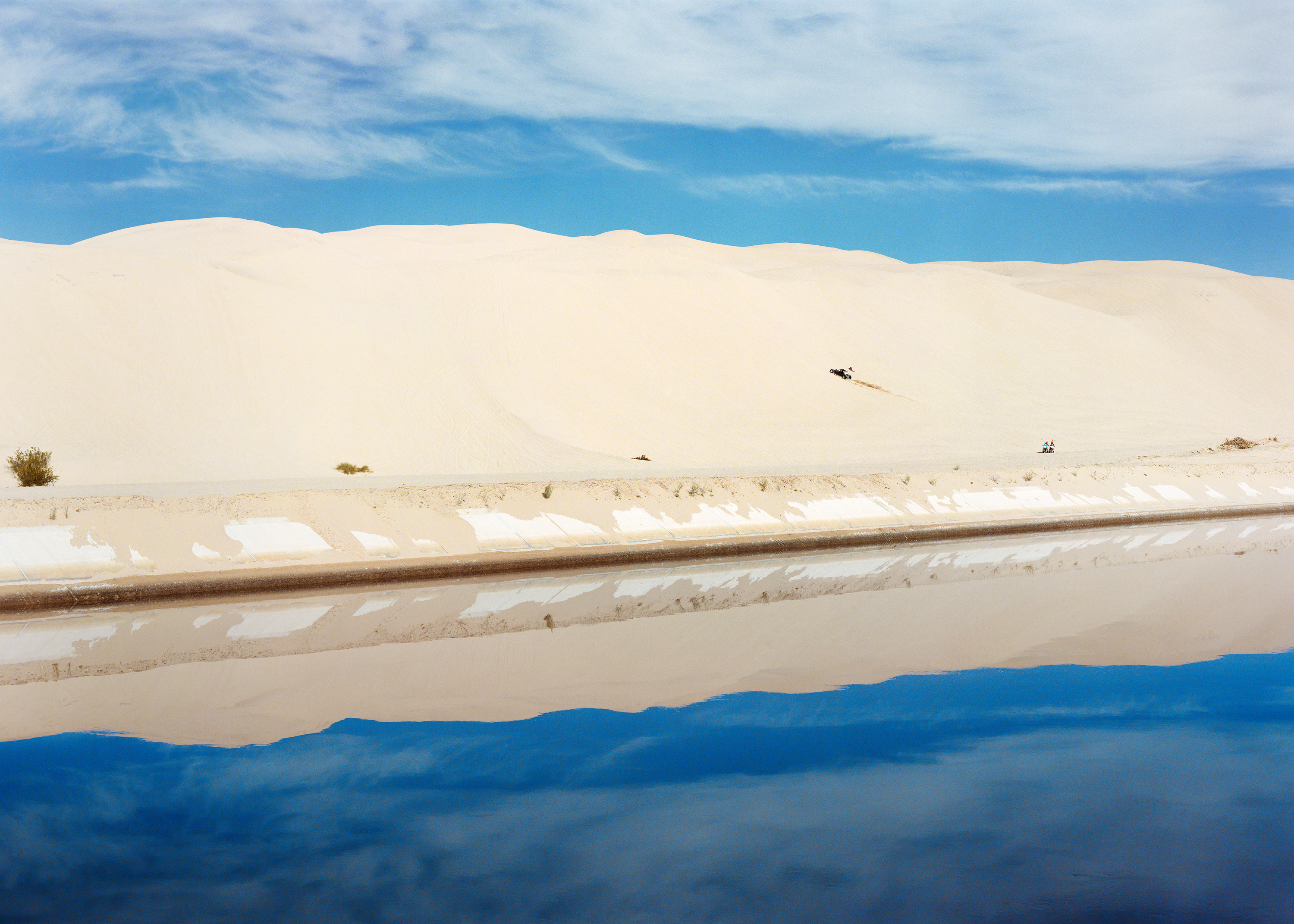
-
Marie Watt: LAND STITCHES WATER SKY
Through Sept. 22, 2024
Get tickets now to experience this special exhibition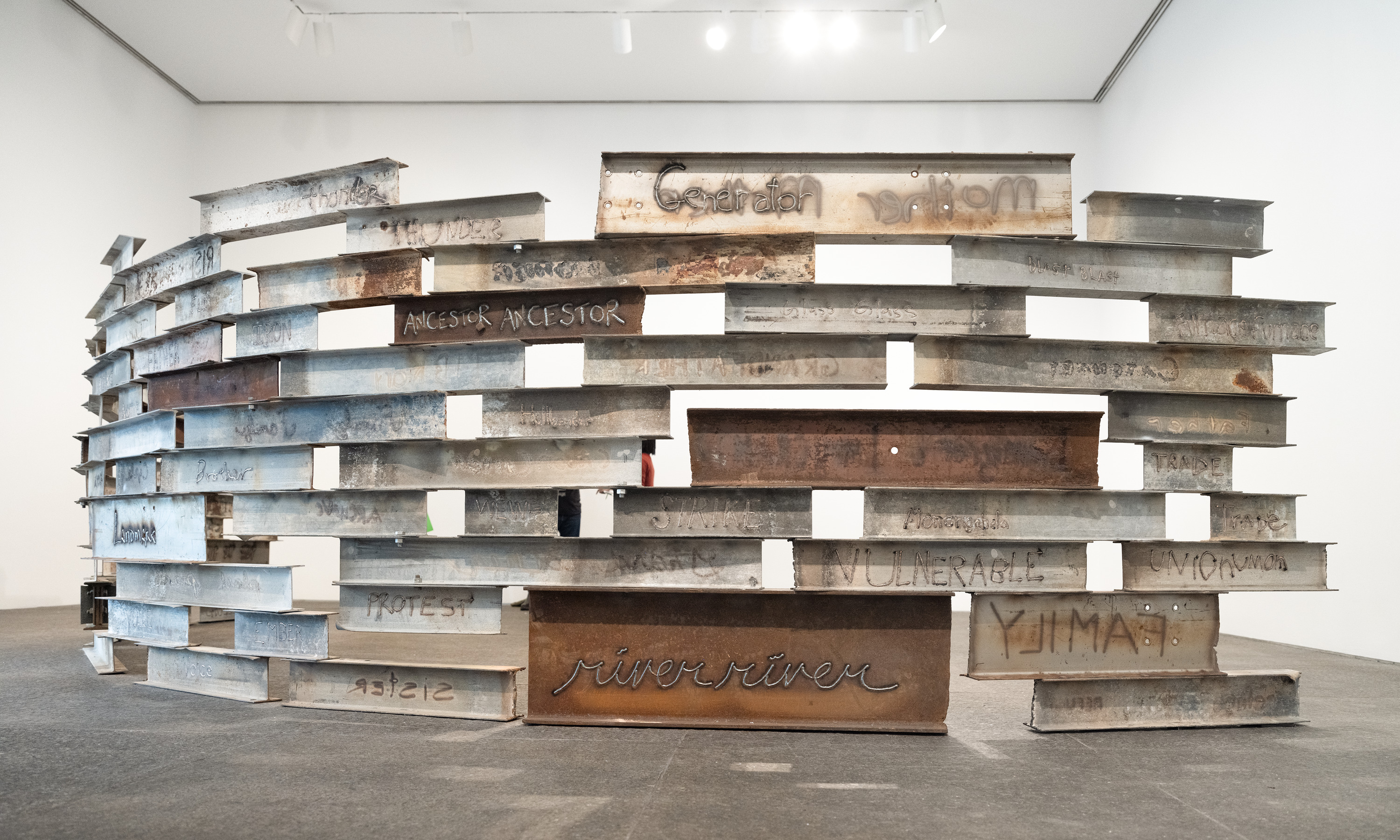
-
Carnegie Museum of Art Film Series
Tickets on sale now 🎟
Screenings start Apr. 27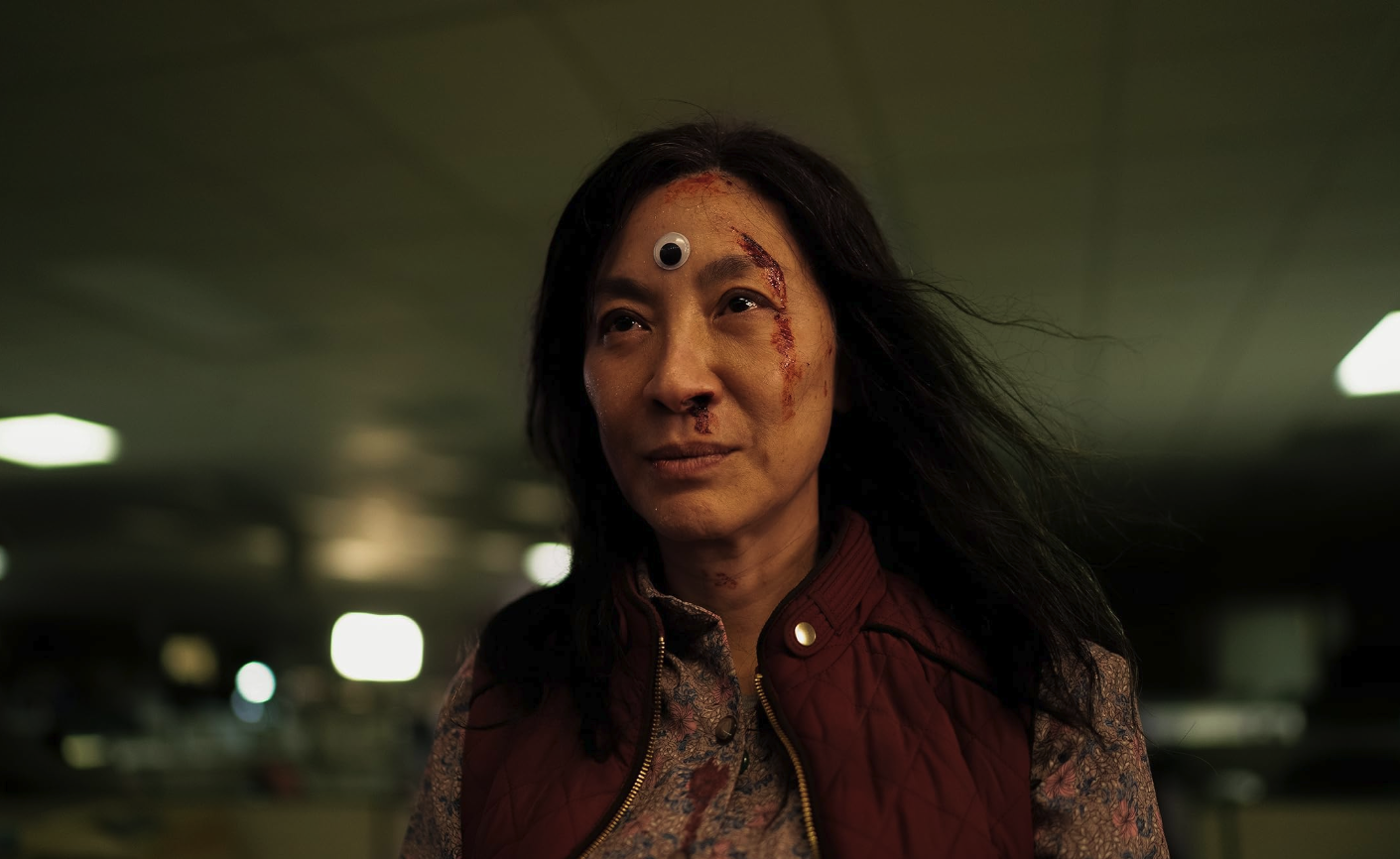
-
Mindful Museum
For visitors ages 55+
Registration now open! -
Everlasting Plastics
Through July 21, 2024
Get tickets now to experience this special exhibition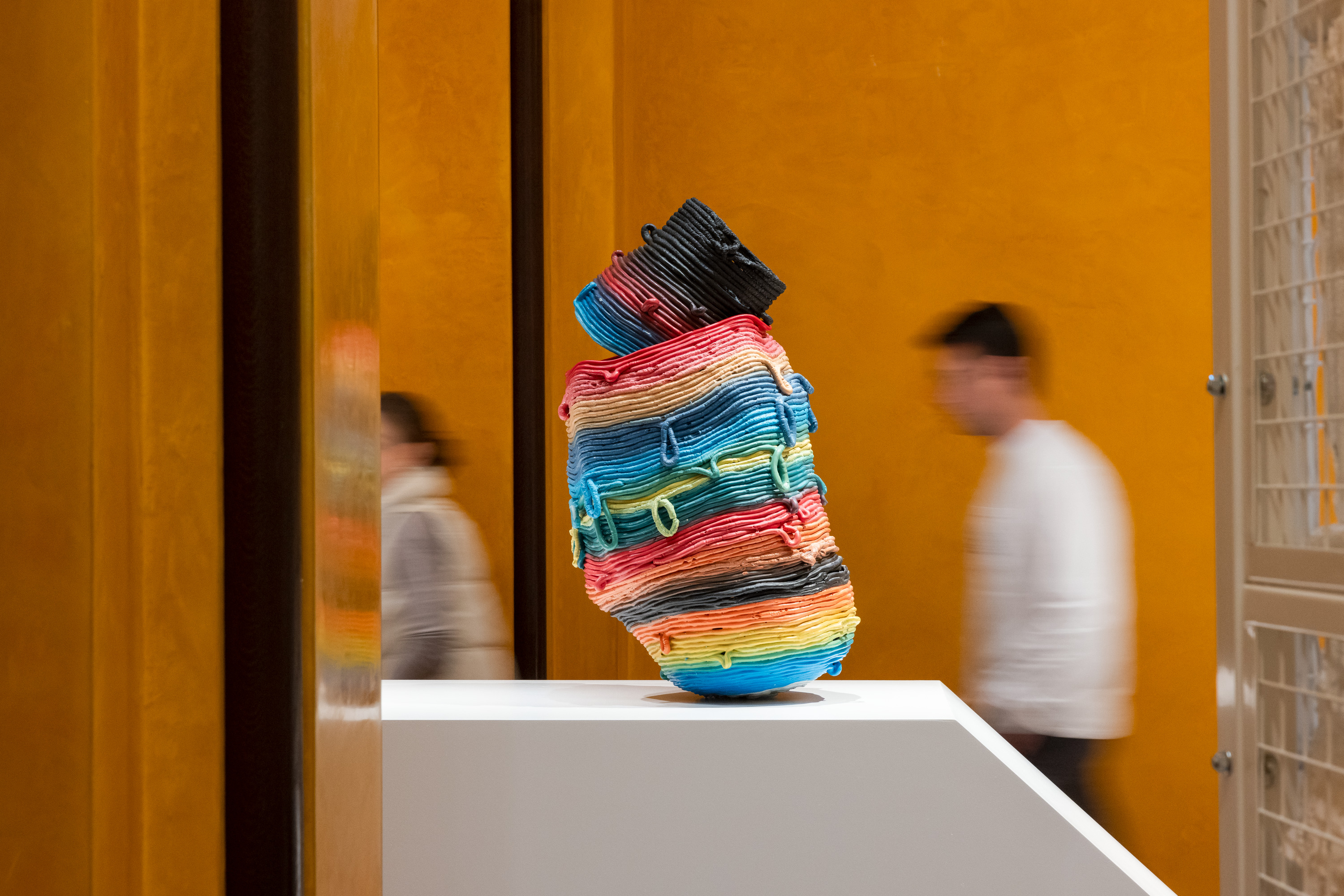
-
Summer Camps
Registration is now open! New workshops are available for teenage artists -
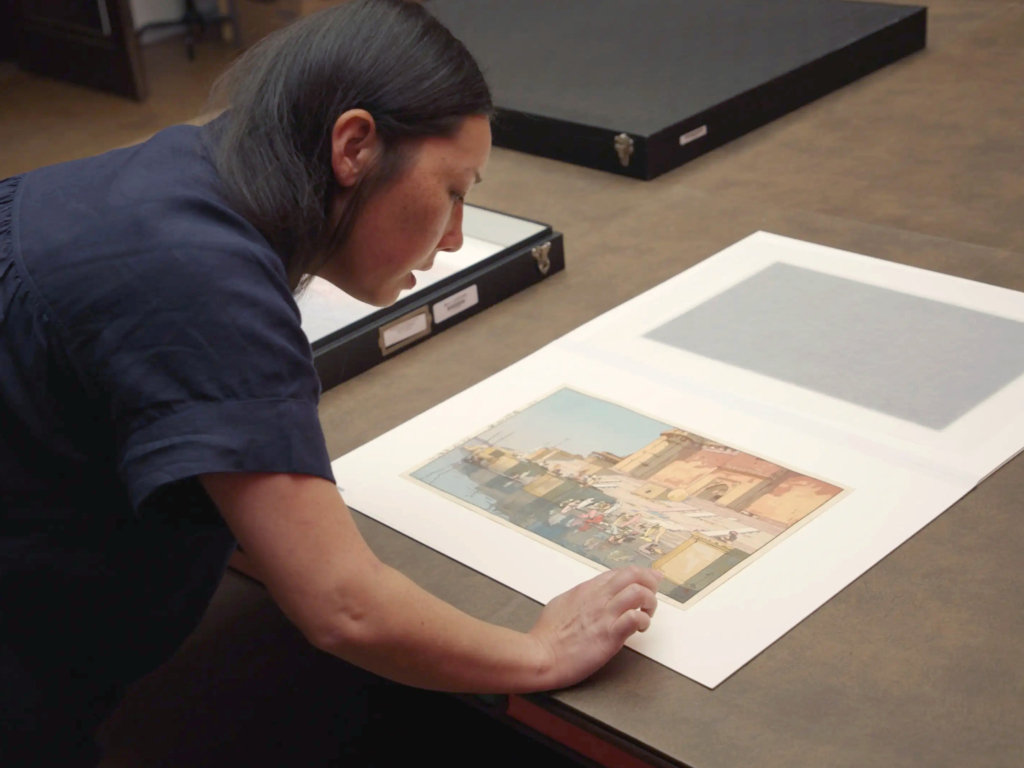
Imprinting in Their Time:
Japanese Printmakers,
1912–2022
Through May 12, 2024
Get tickets now to experience this special exhibition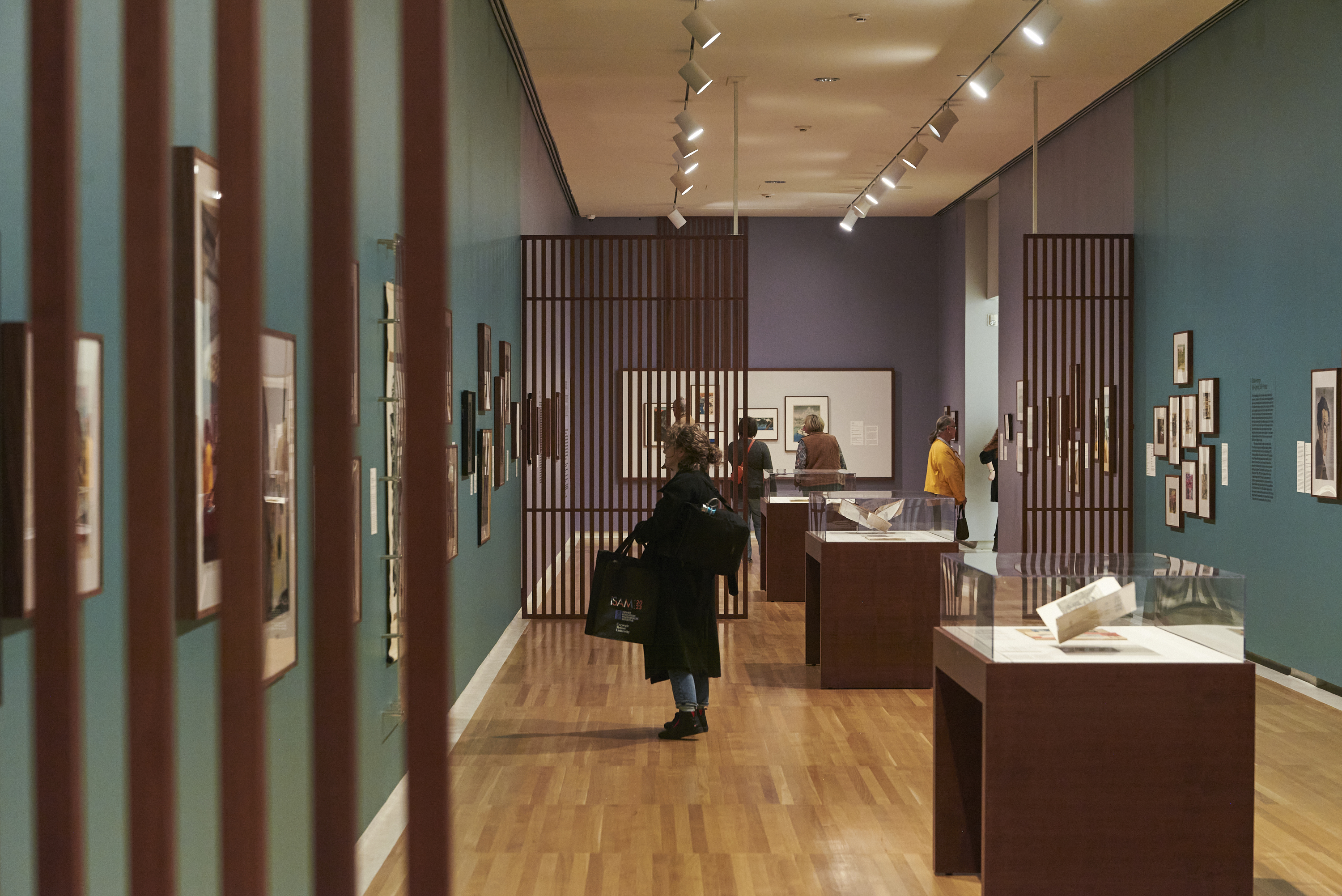
-
Shop Here
Browse a curated array of artful products and branded merchandise
Art to Encounter View All →
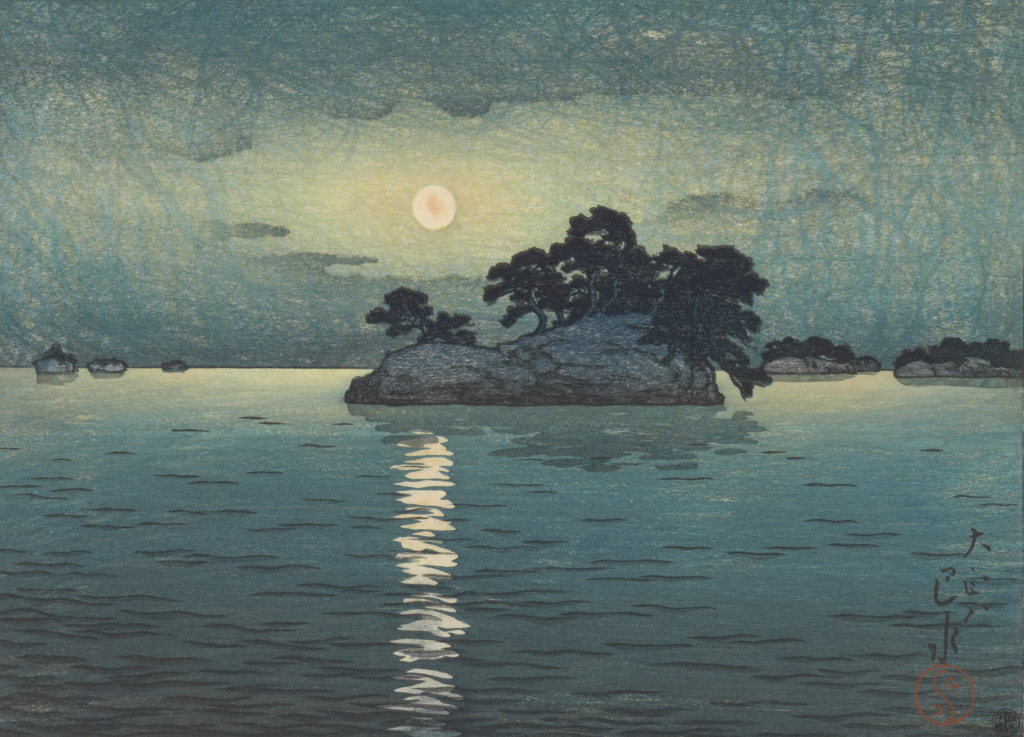
On view through May 12, 2024
On view through July 21, 2024
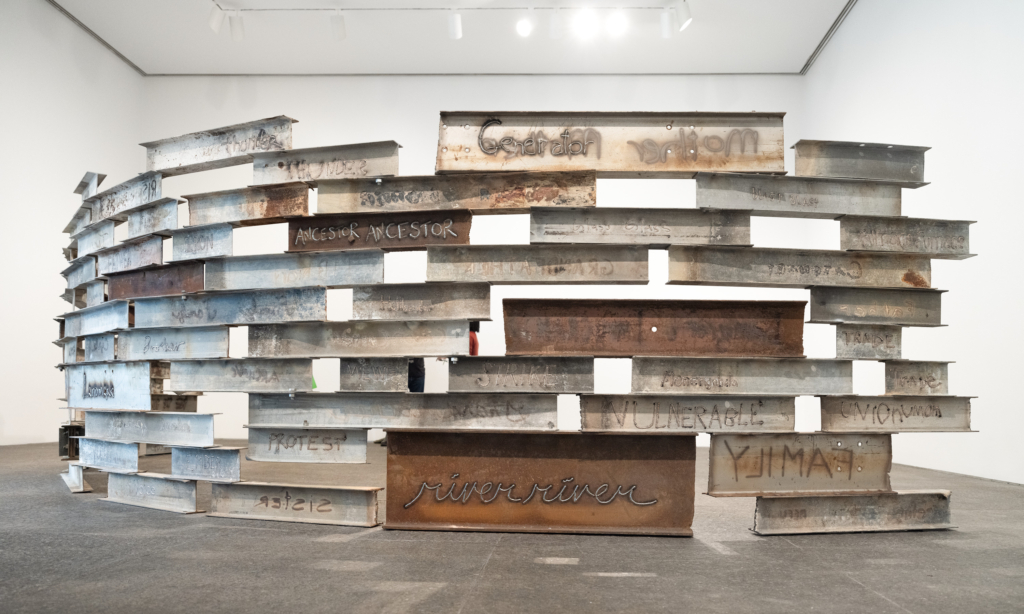
On view through Sept. 22, 2024
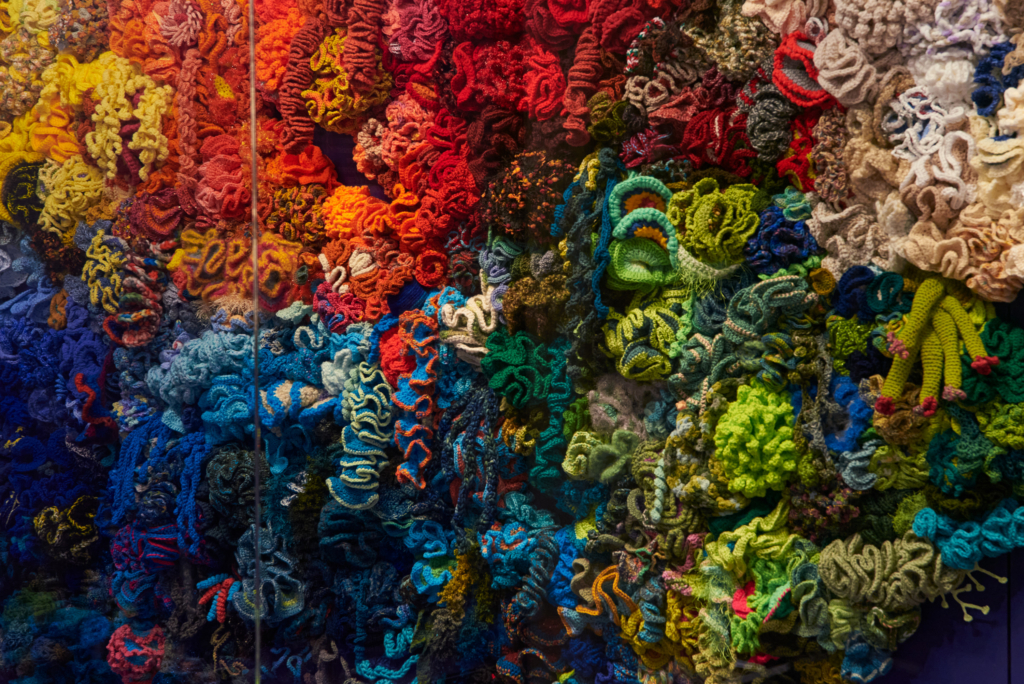
On view Through Jan. 26, 2025
Skip the Line 🎟 Get Your Tickets Now 🎟
What’s Happening View All →
Wed., May 1, 9 a.m.
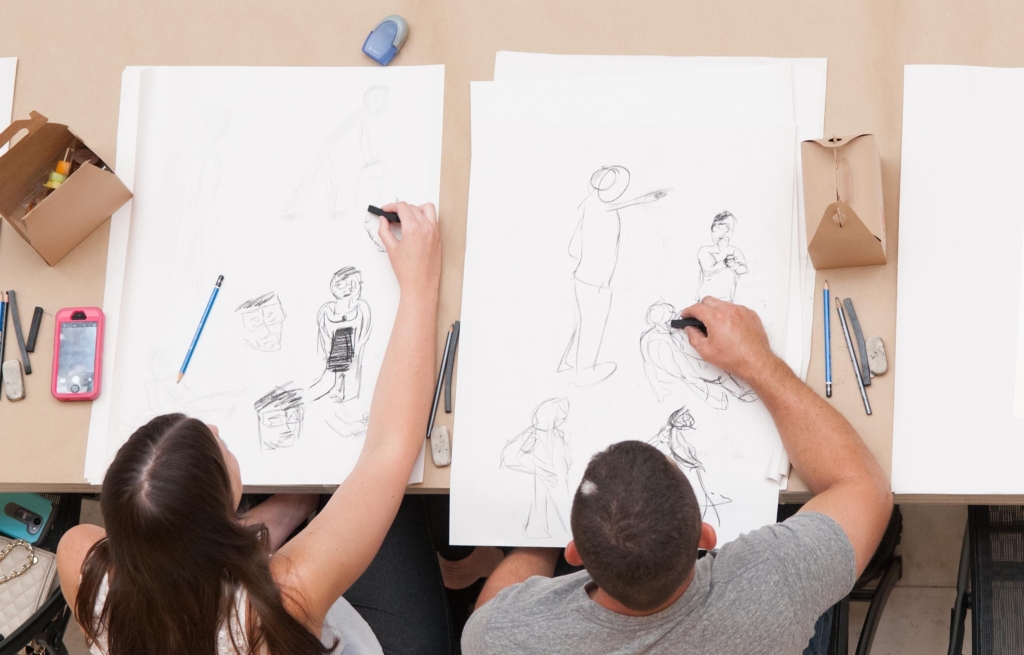
Thurs., May 2, 4 p.m.

Sat., May 4, 11 a.m.
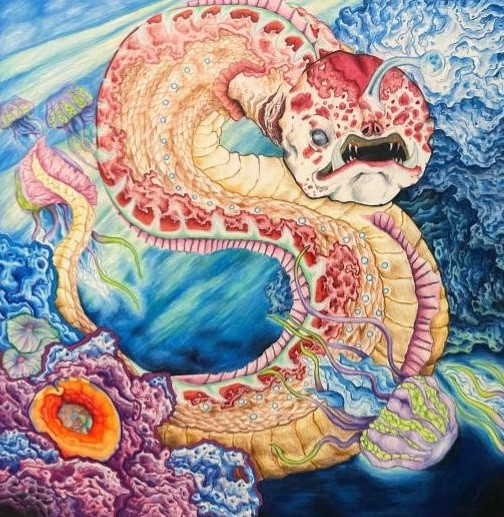
Sat., May 4, 11 a.m.
Ways to Learn
Visit our online resource library to read, watch, and listen!
The created language emerges from the depths of each metal surface.

Art in Your Inbox 📧 Sign Up For Our Newsletter 📧